 World Wide Offices

Category: Articles
What to Do If You’re a Victim of Online Blackmail
TABLE OF CONTENT :
In our current digital world, cybercrimes come in many shapes and forms. One of the most common and dangerous threats people face today is online blackmail.
Scammers and cybercriminals use fear, manipulation, and pressure to influence victims, often for financial gain or personal revenge.
In this blog, we’ll explain everything you need to know about online blackmail, how it happens, what to do if someone targets you, and how to protect yourself.
What Is Online Blackmail?
Online blackmail happens when someone threatens to share a person’s private photos, videos, or information unless they get what they want. This could be money, favors, or something else. It’s a serious type of cyberbullying that can happen to anyone, but it’s especially worrying when young people are involved.
Many young people send private snaps while having fun online, believing they will remain private. However, some individuals trick others into sending these photos and then use them for blackmail.
Online blackmail is a crime, just like regular blackmail. The only difference is that it happens online, usually on social media or other digital platforms.
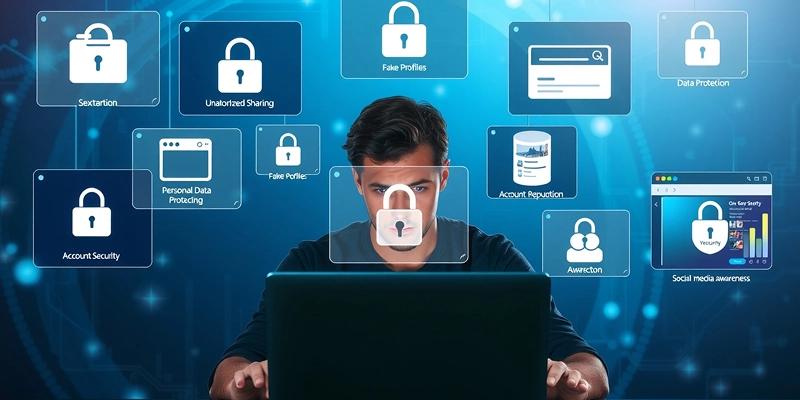
Common Online Blackmail Incidents You Should Know
- Sextortion: This is when someone threatens to release intimate photos or videos of you. Sometimes, they even hack into your webcam to get compromising content.
- Revenge Porn: This happens when an individual shares personal images or videos of you without your consent to force you into doing what they want.
- Personal Information Blackmail: Hackers might steal sensitive personal information, such as passwords or social security numbers, and then threaten to expose or misuse it unless you pay.
- Fake Profiles and Catfishing: In this case, the blackmailer creates fake online profiles to trick you into sharing personal or explicit content. Once they have it, they can use it to blackmail you.
- Account Takeover: A blackmailer gains access to your online accounts, finds personal details, and threatens to use that info against you unless you pay them.
- Financial Extortion: Sometimes, scammers threaten to release private financial information (transactions, credit card, or loan details) unless you give them money or meet their demands.
- Reputation Damage: A blackmailer might threaten to share embarrassing or damaging information about you, aiming to ruin your reputation, unless you agree to give them money or favors.
- Data Breach Threats: Hackers could threaten to release or sell sensitive personal or business data they’ve stolen in a data breach, forcing you to take action quickly to avoid the consequences.
- Social Media Exploitation: Blackmailers might search your social media accounts for personal information to manipulate or pressure you into complying with their demands.
- Unfamiliar links and attachments: Clicking on unknown links or opening files from untrusted sources can put your device at risk by exposing it to malware.
- Malware: Malware is often sent through email or comes from a browser. Once it gets into your computer, it can lock or encrypt your files. After that, the hacker asks for payment to unlock.
Stay alert, protect your personal info, and don’t give in to threats. If something feels off, get help from experts or law enforcement.
How Online Blackmail Scams Happen
Online blackmail is more common than you might think, and it can happen to anyone.
Let’s talk about some reasons why people get caught in these situations:
- Loneliness: Sometimes, when people are lonely, they’re more likely to trust others online, even if they don’t know them. This makes them easy targets for blackmailers.
- Not Securing Accounts: Many people don’t take the time to protect their online accounts with simple security criteria, such as strong passwords or two-factor authentication.
- Lack of Experience: Not everyone is tech-savvy. If you're not familiar with online safety, it’s easy to fall for scams or other online traps that could lead to blackmail.
- Weak Device Security: Your devices need protection, too. If your phone or computer isn’t secure, hackers can access your personal information.
- Fake Authority Figures: Scammers often pretend to be from trusted organizations like the FBI or IRS. They tell you that you’ve broken the law or owe money. Then, they pressure you to pay them to avoid an arrest or reduce the charges.
- Webcam or Malware: Another scam involves hackers who say they’ve infected your computer with malware. They claim to have gained access to your webcam and browsing history. Often, they will accuse you of visiting adult sites and say they’ve recorded you in compromising situations.
- Data Broker Sites: Data brokers are companies that collect and sell your personal details, like your phone number or relationship status, often without you knowing. These companies can make you a target for scams, including robocalls, spam, and even identity theft. In some cases, they can lead to online blackmail.
If you ever find yourself in a blackmail situation, don’t panic. There are companies out there like TechForing that specialize in helping you take down blackmailers.
What To Do If You're Being Blackmailed Online for Money
If you're facing a blackmail threat, it’s important to handle the situation carefully and take the proper steps to protect yourself. Here's what you can do:
Stay Calm: It’s easy to get scared or anxious when someone threatens to blackmail you, but try to stay calm. Panicking won’t help the situation, so take a deep breath and think through your next moves.
Assess the Threat: Take a moment to think about how serious the threat is. Consider what information they claim to have and how likely they are to follow through. Often, people make these threats to scare or manipulate you, so take time to analyze whether it’s genuine.
Don’t Engage or Communicate: Whatever you do, don’t start talking with the person making the threat. Responding to them might just give them more power and encourage them to continue. Stay firm and don’t give in to their demands.
Don’t Try to Negotiate: No matter how scared or desperate you feel, don’t offer money or favors. If you do, the blackmailer will see you as an easy target and keep coming back for more money.
Keep Evidence: Make sure you keep any messages, emails, or anything else that shows the blackmail attempt. These can be really important if you decide to get authorities involved later.
Turn On Google Alert: If you're worried about a blackmailer or want to keep track of your name online, set up a Google alert. Go to [google.com/alerts] (https://google.com/alerts). Google will send you alerts whenever something shows up.
Tell Someone You Trust: This kind of situation can be overwhelming, so talk to someone close to you- a friend, family member, or even a lawyer. They can support you emotionally and help you make good decisions for moving forward.
Report To Local Police: If the threat feels serious or you’re worried about your safety, don’t hesitate to report it to the police. Share all the details and evidence you’ve gathered. They can give you guidance on what to do next and help you take legal action.
Strengthen Your Online Security: Make sure your online accounts are safe. Change your passwords, use strong and unique ones for every account, enable two-factor authentication, and be careful about sharing personal info online.
Seek Emotional Support: If the blackmail involves something that could affect others- like your work or friends- it might be a good idea to let them know. They’ll be able to take protection and support you.
Get Help from Cybersecurity Experts: If someone is blackmailing you online, cybersecurity professionals can help. They can remove the blackmailer's power by securing your devices and tracking down the person behind the threats. Experts from TechForing can scan for security risks and protect your information.
If you’re unsure what to do, seeking professional legal advice can really help you figure out the best method of action.
How to Protect Yourself from Future Online Blackmail
The more personal information you share online, the risk will be high of becoming a target for online blackmail.
Here are some easy and common steps you can follow to stay safe and reduce your chances of being blackmailed-
Securing Your Online Accounts and Information:
- The best way to protect yourself is to keep your personal info as private as possible. Many online blackmail cases happen because of weak passwords. That’s why your first step should be to make your passwords stronger.
- A good password is at least 12 characters long and combines numbers, letters, and symbols. Don’t use the same password for multiple accounts- each one should be unique to keep your personal info secure.
- If you find it hard to remember all your passwords, try using a password manager. It stores everything safely in one place.
- Enable two-factor authentication (2FA) on everything- your accounts, social media, and computer. It’s a bit of a hassle to log in every time, but it adds a layer of protection that can really save you from trouble.
- Keep your software up to date. The old versions are filled with security vulnerabilities that hackers can exploit. Updating at least monthly is a good habit.
Protecting Your Privacy and Personal Data:
- Hold your personal images in a secure place and away from the public eye. Also, never do a video call with someone you don’t know well.
- Make online privacy a priority. Always be cautious about what personal information you share. Make sure your profiles are private so strangers can’t see your friends list or personal posts.
- Also, think twice before accepting friend requests from people you don’t know in real life. If you only met someone online, it’s better not to add them to your network.
- If you’re blackmailed on any platform, report it right away to stop the person from targeting others.
- Always use secure Wi-Fi networks. Unsecured Wi-Fi can let others on the same network access your data.
- Hackers sometimes use your webcam to spy on you, so it's smart to block it when not in use. Many devices already come with a built-in cover, so just slide it over the camera.
- Always verify who you're talking to. Scammers often use "phishing" to trick you into giving them your details. They might pretend to be someone you know or a company you trust, like PayPal.
How To Stop Online Blackmail Before It's Too Late
It’s common for blackmailers to operate from another country, often demanding money or your bank details. But here's the thing- most of the time, these threats aren’t as serious as they seem.
Many blackmailers use tricks and social engineering to make you believe they have something on you when they actually don’t.
However, there are cases where they do have real information, like hacked data or compromising photos. If that’s the case, the best thing you can do is reach out to professionals who know how to handle this.
At TechForing, we specialize in situations like this. We have the tools and expertise to track down cybercriminals and stop them in their tracks.
If you want to get that photo or sensitive data removed, don’t hesitate to contact TechForing. Let us help you take control of the situation and protect your privacy.
FAQs
What to do if someone tries to blackmail you online?
If a hacker has your personal data and is threatening you, take screenshots of all messages or threats they’ve sent. Reach out to a professional who can help you figure out what’s really going on and guide you on the next steps.
What do I do if a scammer has my nudes?
If a scammer has your intimate photos, cut off all contact and block them immediately. Report the situation to the police and talk to an expert for cyber blackmail help.
Should I Pay the Blackmailer?
No! Once they see you’re willing to pay, they’ll keep asking for more. And it won’t end there- they might even try to target you again later.
Can you stop this from happening?
Yes! We’ve helped thousands of people who face online blackmail, and in most 90% of cases, we successfully stop the threats. Our team knows how to track these scammers and take action. You don’t have to face this alone- we’re here to support you.
Do you keep all of this Confidential?
Yes. Everything you share with us is kept strictly confidential, and we back that up with a non-disclosure agreement. Your case will never be discussed with anyone else.