 World Wide Offices

Category: Articles
How to Track Down Someone Who Scammed You
TABLE OF CONTENT :
Have you ever felt that heart-dropping moment when you realize a scammer fooled you?
You are not alone.
Around 608 million people worldwide fall victim to scams every year.
According to the Federal Bureau of Investigation, people in the United States lost over 16 billion USD to online scams in 2024.
In this guide, you will learn how to track scammers, bring in professionals when needed, and protect yourself from future scams.
Is It Possible To Track Down a Scammer?
The short answer is yes.
Scammers use fake profiles, burner phones, VPNs, shadow servers, and anonymous crypto wallets to hide their identity. That makes tracking them very difficult.
At the same time, every online action leaves a trace, a timestamp, an IP log, a wallet address, a metadata string, or a pattern of behavior.
Finding a scammer depends on timing, resources, and careful investigation.
How to Track Down a Scammer

If you’ve lost money to a scam, your first priority should be finding the person who did it and reporting them to the authorities.
Below are practical steps you can use to track down a scammer.
Step 01 # Secure Your Identity First
If someone scammed you, acting too fast to confront the scammer can make the situation worse. You need to stop any further damage first.
Start by locking down your digital accounts. Change all passwords to strong, unique phrases and turn on multi-factor authentication (MFA/2FA) on every platform you use.
Use a password manager to safely hold your credentials and avoid using the same password across multiple accounts. Scammers often steal passwords from data breaches.
In 2024, more than 1.3 billion records were compromised in major data breaches.
Next, freeze your credit with the three major bureaus - Experian, Equifax, and TransUnion. A credit freeze stops scammers from opening new accounts in your name.
Secure your financial accounts. If your bank accounts, credit cards, or e-wallets show unusual activity, contact the institution directly through verified phone numbers or official apps. Close compromised accounts and ask for monitoring on active accounts.
Scan your devices for malware, spyware, and keyloggers. Scammers may try to install harmful software to steal your information or control devices remotely. Run a full system scan using trusted cybersecurity software to remove any threats.
Step 02 # Gather All Evidence
Collect emails, chat messages, social media messages, and conversations on dating apps. Capture full email headers because they contain IP addresses, server routing details, and timestamps.
Messaging apps like WhatsApp, Telegram, or Signal may include device information, which investigators can use to trace accounts.
Keep financial and transaction records. Save screenshots or exports of bank transfers, credit and debit card payments, e-wallet logs, and cryptocurrency transactions.
For crypto scams, record wallet address, transaction hash, and blockchain explorer link. Tools like Etherscan, Blockchair, or Chainalysis help track stolen funds across wallets.
Read More - How to Recover Money From a Crypto Scammer
Capture digital footprints and metadata. Photos, documents, and website screenshots often contain data such as creation timestamps, device information, and location tags.
Screenshots of fake websites, phishing forms, or scam profiles serve as proof if scammers delete content.
Record phone and text details. Save phone numbers, timestamps, and voicemails. Forward suspicious texts to 7726 (SPAM) in the U.S. Use call-recording tools to keep logs for investigators.
Related Blog - What To Do If Your Telegram Account Is Hacked
Step 03 # Documentation
Organize your evidence in clear folders. Keep separate sections for communications, financial transactions, screenshots, and device scans.
Note a timeline of events, including the first contact, transaction dates, and any unusual activity. Organized evidence helps investigators analyze data faster and more accurately.

Back up evidence securely. Use encrypted drives, secure cloud storage with MFA, or offline backups. Avoid storing sensitive information on compromised devices.
Scammers often use VPNs, fake accounts, disposable emails, and encrypted messaging apps. Small details such as IP logs, browser fingerprints, image metadata, and transaction patterns can reveal connections and the scammer’s identity.
Digital forensics experts use these details to map the scammer’s footprint, link accounts, and sometimes uncover real-world information.
Collecting and preserving evidence carefully not only strengthens your legal and financial recovery case but also gives investigators and law enforcement the foundation needed to take action.
Step 04 # Check Online Profiles
Scammers often leave digital traces that can help you identify them.
Start by searching the scammer’s name, email address, phone number, and usernames on search engines like Google, Bing, and Yahoo.
Use quotation marks for exact matches and Boolean operators like OR to combine queries (for example, “John Doe” OR scam) to get more accurate results.
Check social media platforms such as Facebook, LinkedIn, Twitter, and TikTok. Many scammers reuse usernames, profile photos, or personal details across multiple accounts.
Look for profile inconsistencies, such as stock photos, missing information, or locations that do not match other details. Use image search tools like Google Images, TinEye, or Yandex to see if profile pictures were stolen from someone else.
Track usernames across platforms using tools like Namechk, KnowEm, or UserSearch.org. Even small variations in usernames can reveal additional accounts or hidden activity.
Analyze digital files shared by the scammer for metadata, such as EXIF data in images or documents, which may reveal device type, location, or timestamps.
Tools like Metapicz or Jeffrey’s Image Metadata Viewer can extract this information.
Related Blog - What to Do If You’ve Been Targeted by a Romance Scam
Step 05 # Verify Scammer Contact Information
You can use people search engines like BeenVerified, TruthFinder, Spokeo, Whitepages, or US People Search to check names, phone numbers, and addresses. These services gather public records, social profiles, and other databases.
You can find details about property ownership, employment history, or criminal records. Comparing multiple accounts or aliases can reveal links you may have missed.

When analyzing emails, check the headers to find the originating IP address. Tools like MXToolbox, IPinfo.io, or WhatIsMyIP.com can help you trace the server location.
Look at SPF, DKIM, and DMARC results to determine whether emails come from legitimate domains or are spoofed.
If the scammer operates a website, use a WHOIS lookup to find registration details, such as registrar, registration date, and sometimes the owner’s contact information.
Check SSL certificates and hosting providers with tools like WhoisHostingThis or BuiltWith. Newly registered domains or hidden registrant information often signal fraudulent websites.
Trace phone numbers using reverse lookup services. These tools can tell you whether numbers belong to real carriers, VoIP services, or temporary phone apps. You can separate genuine numbers from burner phones used to hide a scammer’s identity.
Step 06 # Track Financial Transactions
If you paid through bank transfer, credit, or debit card, contact your bank immediately. Ask them to initiate a chargeback or reverse unauthorized transactions. Give the bank exact dates, transaction IDs, recipient details, and any supporting messages.
For digital payment platforms like PayPal, Venmo, Zelle, or Cash App, review all transactions carefully. Look for linked accounts or unusual activity.
Many platforms let you freeze or flag suspicious accounts to stop further payments. Always use official support channels. Avoid phone numbers or links that scammers provide.
If the scam involved cryptocurrency, use blockchain explorer tools such as Etherscan (Ethereum) or Blockchain.com (Bitcoin) to follow wallet activity. Every blockchain transaction is public and recorded on the ledger.
Scammers often use mixers, tumblers, or multiple wallets to hide the trail, but you can spot patterns and sometimes link wallets to exchanges. Record timestamps, wallet addresses, and transaction hashes to share with authorities or recovery specialists.
For wire transfers, contact both the sending and receiving banks. Give all reference numbers and ask the banks to flag the accounts for fraud investigation. Scammers sometimes use mule accounts to receive money.
Authorities may already monitor these accounts, which can help you track the scammer.
Step 07 # Report to Law Enforcement
Every report you make adds data to national and global fraud systems. Law enforcement uses that data to find connections, track similar scams, and identify repeat offenders.
Once your evidence is ready, reach out to the right agencies based on where you live.
In the United States
- Federal Trade Commission (FTC) - Go to reportfraud.ftc.gov to file a complaint. The FTC runs the Consumer Sentinel Network, a large database shared with law enforcement across states.
- Internet Crime Complaint Center (IC3) - Managed by the FBI. Report scams involving online fraud, phishing, or fake marketplace sales at ic3.gov. You will get a complaint number for future follow-ups.
- Consumer Financial Protection Bureau (CFPB) - Use consumerfinance.gov for scams involving loans, credit cards, or payment services.
In the United Kingdom
- Action Fraud - Report online at actionfraud.police.uk or call their helpline. Your report goes to the National Fraud Intelligence Bureau (NFIB), which looks for scam patterns.
- Information Commissioner’s Office (ICO) - Report any misuse of your personal data or identity theft.
In India
- National Cyber Crime Reporting Portal - Visit cybercrime.gov.in. The system forwards your report to your local cybercrime police team.
- Indian Computer Emergency Response Team (CERT-In) - Use cert-in.org.in to report cases of malware, phishing, or data theft.
- Reserve Bank of India (RBI) - Go to rbi.org.in and contact the RBI Ombudsman if the scam involves a bank or financial institution.
For international cases
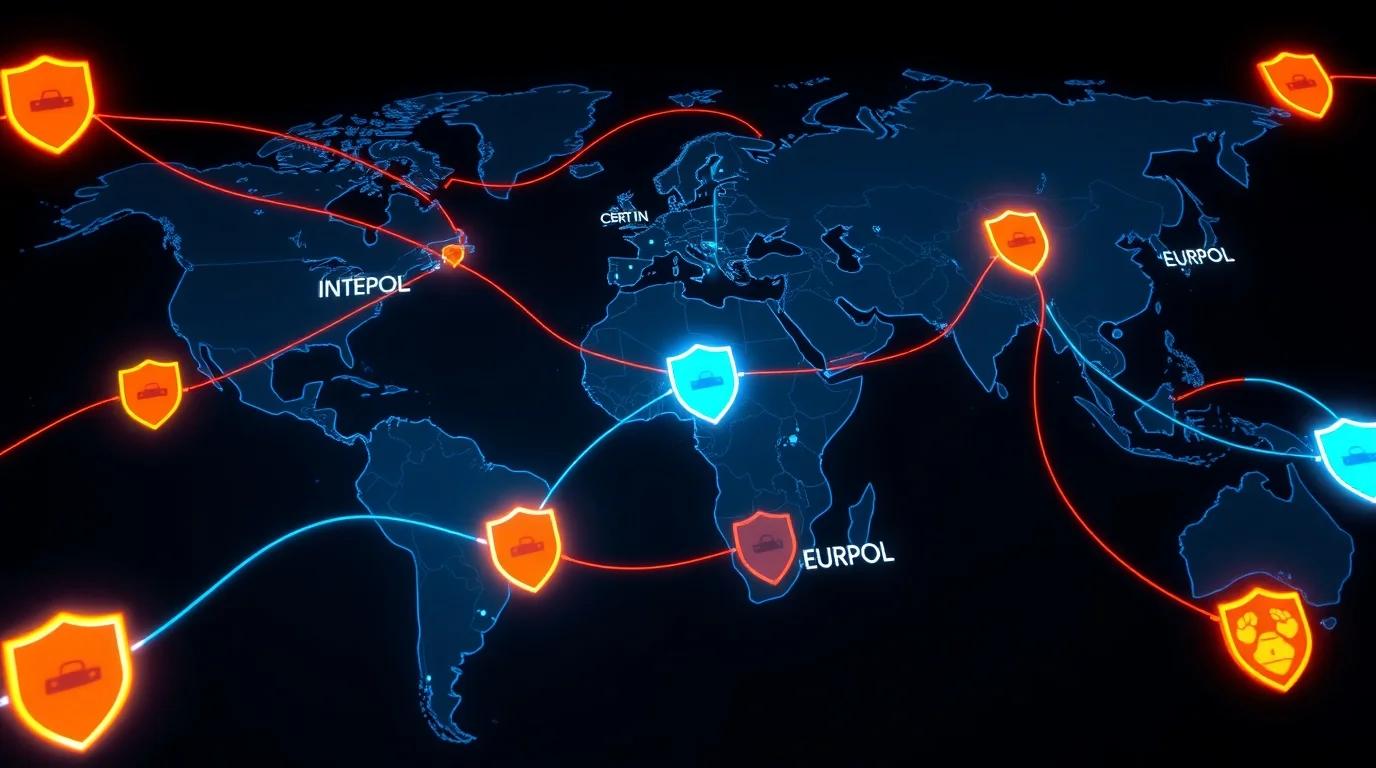
- INTERPOL’s I-C4 (Cybercrime Directorate) - Works with global agencies to track online fraud.
- Europol’s EC3 (European Cybercrime Centre) - Supports local law enforcement in Europe for financial and crypto fraud.
When you report, include:
- Transaction IDs and timestamps
- URLs or IPs linked to the fraud
- Communication records in their original format
- Copies of your FTC or IC3 reports
Also, contact the platform where the scam happened.
Reach out to Facebook Marketplace, Instagram, WhatsApp, Telegram, PayPal, Binance, or Coinbase. Give them transaction numbers, profile URLs, and screenshots.
Their anti-fraud teams can freeze funds, suspend accounts, and share login or IP data with investigators once they get a legal request.
After you file your reports, keep your reference numbers safe. Follow up every few weeks with the officer or case manager handling your complaint.
Step 08 # Engage Online Communities
Online communities can help you find scammers faster.
Start by checking websites like ScamWarners, Ripoff Report, and ScamAdviser. You can find records of reported scams, usernames, email addresses, and even IP data.
Cross-check those names and emails with databases like Scamalytics or FraudWatch International. You may find the same scammer using different names on other platforms.
Reddit has active groups such as r/Scams, r/Fraud, and r/ScamBait. People there share real stories, screenshots, and new scam patterns. Use search tools in those forums to look for specific emails, phone numbers, or crypto wallet addresses.
Know More - What To Do If Your Crypto Wallet Is Hacked
Many victims discover that others were tricked by the same person.
You can also join Facebook and Telegram support groups where scam victims help each other. Some groups include ethical hackers or cybersecurity experts who use OSINT tools like Maltego, Have I Been Pwned, and IntelX.
These tools can link email addresses or usernames to older data leaks or social media accounts. You can often find patterns that reveal a scammer’s real identity.
If the scammer uses the same username on several platforms, try Namechk or KnowEm. These tools show where a name or handle appears across hundreds of websites.
For crypto scams, check Etherscan’s Tag Explorer, BitcoinAbuse Database, or Chainabuse.com. Victims report wallet addresses and transactions there, which helps track stolen funds.
Do not post your real name, home address, or full transaction details. Some scammers pretend to be investigators or refund agents to trick victims again. Talk only through verified groups and use encrypted services such as ProtonMail or Signal for privacy.
Related Blog - 10 Biggest Crypto Scams in History & Lessons for Investors
Step 09 # Hire a Professional Investigator
If you lose a large amount of money or deal with a smart online fraudster, hiring professionals can help you find the scammer.
Experts in fraud investigation, digital forensics, and cyber intelligence have access to advanced tools and databases that you can’t use on your own. They can track money and find real identities behind fake accounts.

Licensed private investigators use open-source intelligence (OSINT), transaction metadata, and IP tracking to connect clues. Many investigators can access restricted databases and reach out to law enforcement in different countries.
A digital forensics expert can recover deleted files, emails, or chat records from devices and networks. These experts can also track cryptocurrency using platforms like Chainalysis, Elliptic, and TRM Labs.
Before you hire anyone, always check their licenses, credentials, and reviews. Work only with professionals like TechForing who follow data protection and privacy laws.
How to Protect Yourself from Scammers
The best way to fight scams is to stay proactive. Strengthen your security, limit exposure, and make sure scammers cannot target you again.
Here are practical steps to protect yourself:
- Only use trusted payment methods, authorized gateways, or escrow services for transactions. Avoid sending money through gift cards, wire transfers, or cryptocurrency to unknown people. These methods are hard to trace and recover.
- Learn how to reverse or dispute payments quickly. Banks and credit card companies can initiate chargebacks for unauthorized transactions. Apps like PayPal, Venmo, and Zelle also provide fraud reporting tools.
- Keep separate email addresses for different purposes. One for work, one for personal use, and one for dating or online marketplaces. This protects your accounts if one is compromised.
- Enable Two-Factor Authentication (2FA) on all important accounts. Use authentication apps like Google Authenticator or Authy instead of SMS to prevent SIM-swapping attacks.
- Do not reuse passwords across multiple websites. Use a password manager to generate strong, unique passwords and store them safely. Change passwords regularly, especially if you suspect any breach.
- Install and update antivirus and security software. Programs like Norton, Bitdefender, or Malwarebytes can detect malware, phishing attempts, and malicious websites.
- Verify anyone you meet online. Use people search services like BeenVerified, Social Catfish, or TruthFinder. Reverse image searches and social media scans can reveal fake profiles or stolen identities.
- Never share sensitive personal information such as Social Security numbers, bank details, or home addresses with strangers online. Even small details can be used in identity theft or social engineering attacks.
- Stay alert and take your time before making money or data-related decisions. Scammers pressure victims to act fast. Double-check details, confirm identities, and consult trusted sources.
- For cryptocurrency, use hardware wallets or reputable exchanges. Enable withdrawal whitelists, monitor all transactions, and avoid unverified crypto investments.
FAQs
How can I identify if someone is trying to scam me online?
Look for red flags such as urgent requests for money, offers that sound too good to be true, requests for gift cards or cryptocurrency, fake profiles, inconsistent messages, and unverifiable claims.
Can I recover money lost to a scam, including cryptocurrency?
Recovery depends on the payment method. Cryptocurrency recovery is complex but can be traced.
What should I do if my bank refuses to help?
Contact your country’s financial regulatory authority or hire a crypto recovery service.
Will the police or authorities always be able to recover my money after a scam?
Recovery depends on the type of scam, how the money was moved, and the location of the scammer.
Should I hire a private investigator to track a scammer?
Yes, for large losses or complex scams.
How long does it take to track a scammer?
Time varies based on scam complexity. Some cases resolve in days, others take weeks or months.
On a Final Note
Tracking down a scammer takes a lot of effort. You must gather every detail, from emails to transaction records, that can help you track down the scammer.
Report scams to law enforcement, government agencies, and the platforms where the fraud happened. Check online communities and forums to spot patterns.
If you need professional help, experts in digital forensics and fraud investigation can trace scammers and help recover your assets.